Buying A Home In Kailua: Beach Town Living Explained
May 14, 2026
May 14, 2026
Dreaming about waking up near the water in Kailua? You are not alone. Many buyers are drawn to Kailua for its beach-town setting, but the day-to-day reality includes meaningful decisions about budget, commute, housing type, and access. This guide breaks down what buying in Kailua really looks like so you can weigh the lifestyle benefits against the practical tradeoffs with clear eyes. Let’s dive in.
Kailua is a census-designated place on Windward Oʻahu with 40,514 residents spread across 7.77 square miles, according to the 2020 Census. It has a high owner-occupied housing rate of 72.3%, which helps explain why many buyers see it as a place to put down long-term roots.
The Census also reports a median owner-occupied home value of $1,353,700 and a median household income of $148,582. In practical terms, Kailua is an expensive market, and your home search will usually involve balancing location, property type, and condition.
If you are starting with price, Realtor.com’s April 2026 market summary gives a useful snapshot of current conditions. Kailua had 118 homes for sale, a median listing price of $1.696 million, and a median sold price of $1.502 million.
Homes were spending a median of 69 days on market and selling at about 98% of list price. That suggests a market where pricing still matters, but buyers may have some room to compare options carefully instead of rushing into every listing.
Kailua is not just a single-family market. Active inventory includes detached homes, condos, and townhomes, which creates different price tiers for buyers.
Here is the rough range reflected in current listings from the research report:
| Property type | Approximate listing range |
|---|---|
| Condos | $415,000 to $1.22 million |
| Townhomes | $385,000 to $1.539 million |
| Single-family homes | $1.25 million to $12.995 million |
For many buyers, condos and townhomes create the clearest lower entry points into Kailua. Single-family homes often start much higher, especially if you want a larger lot, updated interiors, or a location closer to the shoreline.
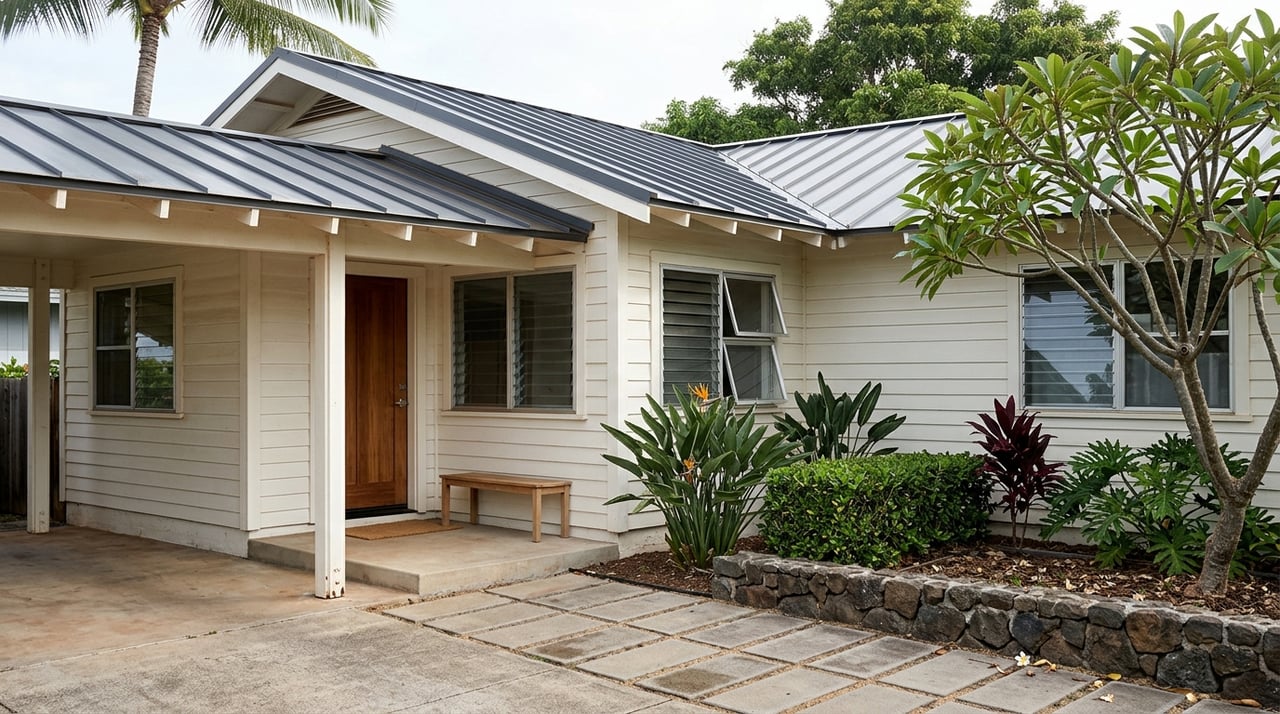
Part of Kailua’s appeal is that the housing stock is not uniform. Buyers may come across older beach cottages, mid-century homes, renovated attached properties, and newer updates within the same broad area.
That variety can be exciting, but it also means two homes with similar square footage may feel very different in layout, age, and maintenance needs. When you shop in Kailua, you are often evaluating both lifestyle and property condition at the same time.
Living in Kailua often means thinking carefully about how close you want to be to the beach, not just whether you can get there. The closer you move toward the most sought-after coastal areas, the more likely you are to encounter tradeoffs tied to access, parking, and visitor activity.
Kailua Beach Park is one of the area’s major amenities. It is lifeguarded daily from 8:00 a.m. to 6:30 p.m., and city information notes that the park sees more than 1,700 visitors per day. For buyers, that means you are looking at a well-known beach resource, but also one that attracts regular activity.
Neighborhood-level market snapshots show clear pricing differences. Koʻolaupoko sits around a median listing price of about $1.375 million, Enchanted Lake about $2.275 million, and Beachside about $3.12 million.
That spread reflects a common Kailua reality: proximity to the water can come with a significant premium. If beach access is your top priority, you may need to compromise on size, updates, or property type to stay within budget.
Lanikai is one of the most talked-about parts of the Kailua beach area, but it also comes with some of the most constrained access. The city’s 2025 transportation plan says public roadway access is limited to one roadway, there are no public parking lots for Lanikai Beach, and there are no restrooms, showers, or lifeguards on that half-mile stretch.
The same city plan describes limited parking and heavy visitor pressure as ongoing issues. In simple terms, buying near Lanikai may offer a highly desirable setting, but your daily logistics and guest access can feel less convenient than some buyers expect.
For many households, the biggest practical question is not the beach. It is the trip to town. Kailua is separated from Urban Honolulu by the Koʻolau range, and Pali Highway is the direct connection to Honolulu’s central business district.
Honolulu transit planning materials say most Windward bus service also runs on the Pali to connect to Urban Honolulu. That gives some households a non-driving option for certain trips, including connections to Downtown Honolulu, Ala Moana, Waimānalo, and Lanikai.
The Census reports Kailua’s mean travel time to work at 29.1 minutes. Urban Honolulu’s mean travel time is 21.9 minutes.
That gap helps explain the lifestyle equation. When you buy in Kailua, you may be choosing a beach-town setting with a longer average commute than you would have closer to Honolulu’s core.
The Pali commute is not just longer on average. It can also be less predictable. The Hawaiʻi Department of Transportation regularly posts lane closures and maintenance advisories for Pali Highway and Route 61, including slope work and tunnel maintenance.
If your work, school, or routine trips depend on crossing the Pali often, it is worth treating commute reliability as a major part of your home search. A home that feels perfect on a map may feel different after a few weeks of real travel patterns.
Kailua can feel more varied than buyers expect if they are coming from a more uniform suburban market. The area includes detached homes, condos, townhomes, and attached properties, with a mix of older and updated inventory.
That means your search may involve different ownership styles and maintenance expectations. Some buyers focus on a detached home for privacy and yard space, while others prefer a condo or townhome for a lower entry price or a simpler upkeep profile.
Representative listings in the research report included a 1940 beach cottage, a 1959 mid-century home, and an attached duplex-style property. This supports an important point: in Kailua, age and architectural style are part of the buying conversation.
Older homes can offer charm and location, but they may also require closer review of condition, updates, and long-term maintenance planning. If you are comparing homes in different parts of Kailua, it helps to separate the appeal of the setting from the realities of the structure itself.
Beach-town living is appealing, but it also comes with environmental considerations. Honolulu hazard planning notes chronic erosion, sea-level-rise-driven flooding, and vulnerabilities for beach areas like Kailua Beach.
The city’s wastewater planning also says the Kailua, Kāneʻohe, and Kahaluʻu basin has significant coastal infrastructure exposed to coastal erosion, storm surge, and 100-year flood events. For buyers, this does not automatically rule out coastal property, but it does mean long-term risk awareness should be part of your decision-making.
As you evaluate homes in Kailua, consider these practical questions:
A thoughtful purchase in Kailua usually comes from matching the home to your real routine, not just your ideal weekend picture.
The best way to approach Kailua is to think in layers. Start with your budget, then narrow by property type, then weigh commute patterns, and only after that compare beach access and neighborhood feel.
This order matters because Kailua can quickly pull buyers toward the most scenic options before the practical side is fully clear. A home that supports your everyday life usually brings more long-term satisfaction than one that wins on scenery alone.
If you are deciding whether Kailua is the right fit, the core value proposition is pretty straightforward. You are buying into a beach-town lifestyle on Windward Oʻahu, with a housing market that spans condos to luxury single-family homes, but also with higher prices, coastal considerations, and a longer, more variable trip toward Honolulu.
When you understand those tradeoffs up front, you can shop with more confidence and fewer surprises. If you want help comparing Kailua options and sorting through what fits your goals, reach out to June Freundschuh.
Stay up to date on the latest real estate trends.
We pride ourselves in providing personalized solutions that bring our clients closer to their dream properties and enhance their long-term wealth.