Living Near Diamond Head: Views, Trails, And Classic Homes
May 21, 2026
May 21, 2026
If you picture Honolulu living with a strong sense of place, Diamond Head usually comes to mind fast. This area pairs one of Hawaiʻi’s most recognizable landmarks with shoreline scenery, established residential streets, and a mix of classic homes that give the neighborhood lasting character. If you are curious about what it is really like to live near Diamond Head, this guide will walk you through the views, trails, home styles, and everyday conveniences that shape life here. Let’s dive in.
Diamond Head, also known as Leʻahi, sits near the eastern edge of Waikīkī’s coastline and serves as one of Honolulu’s defining landmarks. Hawaiʻi Emergency Management notes that it was designated a National Natural Landmark in 1968, which reflects its long-recognized significance.
The area also stands out for how carefully it is treated in city planning. The City and County of Honolulu Land Use Ordinance includes a Diamond Head Special District with objectives, district boundaries, public vantage points, and design controls. In practical terms, that points to an area where views and neighborhood character matter.
Living near Diamond Head means the setting is part of your routine, not just a postcard backdrop. The monument, coastline, and ocean-facing streets create a visual identity that feels closely tied to the land and water around it.
The summit itself offers wide shoreline views from Koko Head to Waiʻanae, according to the state monument page. In winter, humpback whales may also be visible from the top, which adds another memorable part of the seasonal experience.
The shoreline adds to that appeal. The Department of Land and Natural Resources identifies the Waikīkī-Diamond Head Shoreline Fisheries Management Area as extending from the Waikīkī War Memorial Natatorium to Diamond Head Lighthouse, and it places the Waikīkī Marine Life Conservation District at the Diamond Head end of Waikīkī Beach. That helps explain why the area feels so connected to ocean recreation.
For many people, the Diamond Head summit trail is the neighborhood’s signature outdoor feature. It is one of the clearest reasons the area attracts both visitors and residents who want easy access to a well-known Honolulu landmark.
According to the official state park reservation system, park hours are 6:00 a.m. to 6:00 p.m. The last reservation is at 4:00 p.m., and the last trail entry is 4:30 p.m.
The park FAQ says the hike usually takes about 60 to 90 minutes. The park page also advises allowing 1.5 to 2 hours, which gives you time for the climb, summit stops, and the return.
This is not a flat walk. Official park information describes the trail as steep and notes that it includes stairs and a tunnel, including a 225-foot tunnel on the way to the former fire control station.
The trail is not ADA accessible. If you are planning a visit, it helps to think of it as a short but more demanding hike rather than a casual stroll.
For non-residents, entry and parking reservations are required. Reservations can be made up to 30 days in advance through the state park system.
If you expect visiting friends or family to explore the trail while staying with you in the area, that is useful to know ahead of time. A little planning can make the experience much smoother.
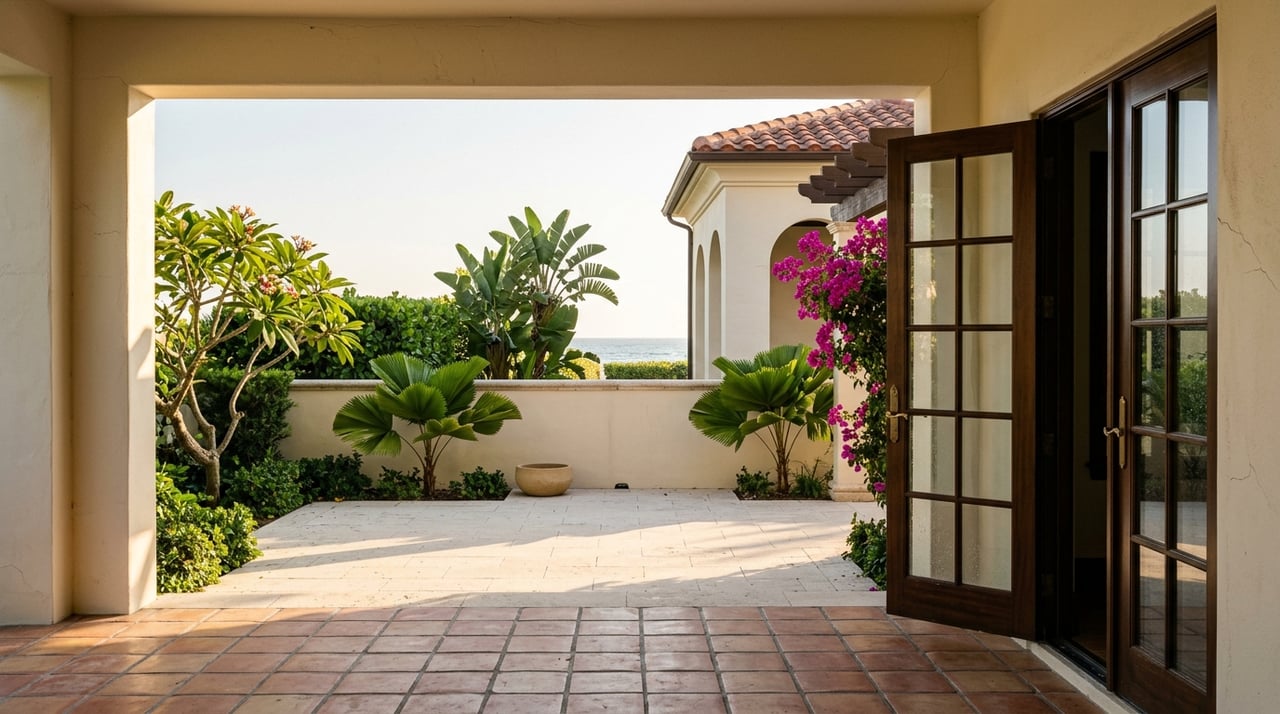
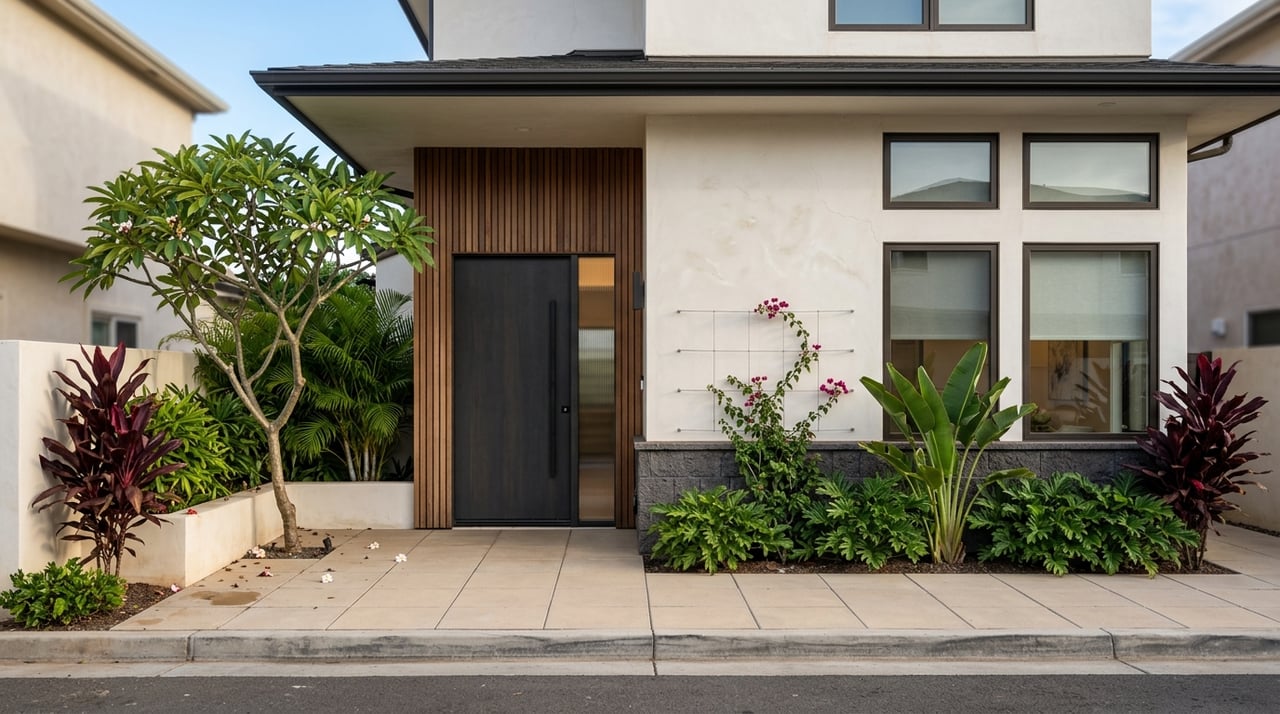
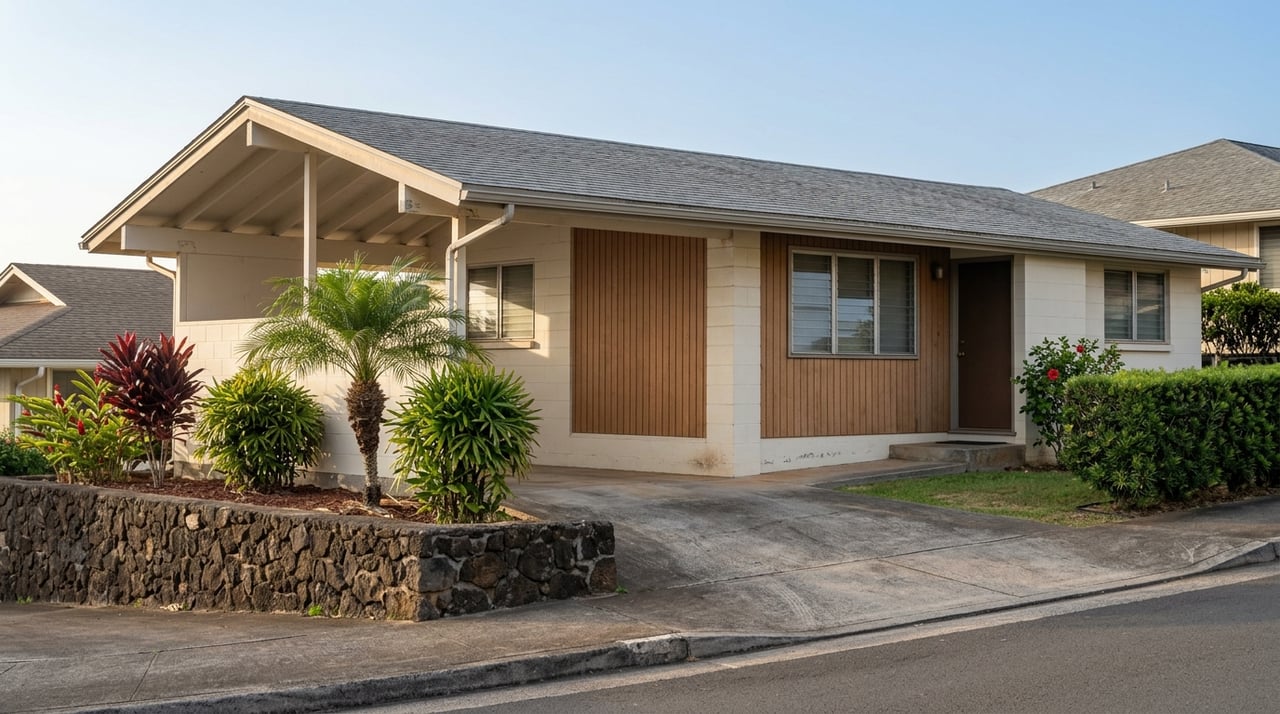
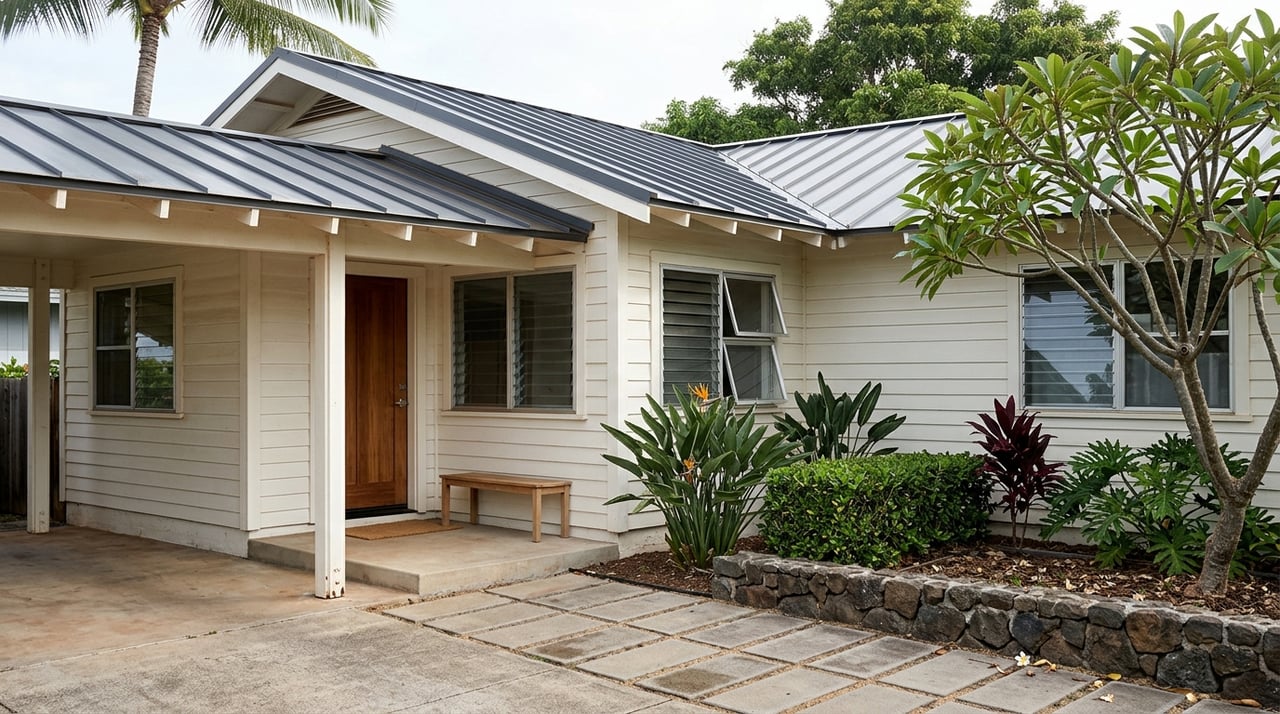
One of the most appealing parts of living near Diamond Head is the housing character. Instead of a single architectural look, the area has a historically layered mix of homes that developed over time.
Historic Hawaiʻi Foundation records show that Diamond Head Terrace was advertised in 1921 as a new subdivision with 73 lots. The neighborhood developed gradually into the 1930s, and many lots were developed independently by individual owners and architects.
That pattern matters because it helps explain why the area does not feel uniform. Rather than repeating one model home style, Diamond Head evolved through a range of personal design choices across different decades.
Documented historic properties in and around the area show a wide variety of styles, including:
A careful way to describe Diamond Head housing is this: it has an established residential feel shaped by early subdivision homes, mid-century design, and later architect-designed residences. If you value homes with visual identity and a sense of history, that variety can be a major draw.
Diamond Head is not just scenic. It is also an area where design sensitivity shows up in planning rules.
Because the city has a Diamond Head Special District with specific provisions tied to boundaries, vantage points, and design controls, the neighborhood carries a stronger sense of visual stewardship than many areas. For buyers and homeowners, that can be an important part of understanding how the area maintains its character over time.
A neighborhood lifestyle is about more than views and architecture. It is also about what you can reach easily during a normal week.
Near Diamond Head, several well-known Honolulu destinations help anchor daily life. These include the summit trail, shoreline recreation areas, Kapiʻolani Park, the Honolulu Zoo, Waikīkī Beach, and Kapiʻolani Community College.
Kapiʻolani Community College says its campus sits on the slopes of Diamond Head and just minutes from Waikīkī. That location adds a useful day-to-day anchor for the area.
The college is also home to the Kapiʻolani Community College farmers market at 4303 Diamond Head Road. The market features local produce, food crafters, flowers, prepared foods, and other local goods.
Kapiʻolani Park adds major open-space value nearby. Hawaiʻi Birding Trails describes it as a city-managed urban park, while the Honolulu Zoo notes that its 42.5-acre site is located within Kapiolani Regional Park in the Waikīkī/Diamond Head area.
That gives residents nearby access to broad park space along with one of Honolulu’s best-known attractions. It is a practical example of how the Diamond Head area blends natural scenery with established public amenities.
If you are drawn to Diamond Head, chances are you are responding to a combination of factors rather than just one. The area offers landmark views, access to a major hiking destination, shoreline context, and homes with distinct architectural personality.
It also offers a sense of place that feels different from more uniform residential areas. The combination of historic housing patterns, ocean-facing surroundings, and nearby public amenities gives Diamond Head a lifestyle that is both scenic and grounded in everyday convenience.
For buyers, that often means looking beyond square footage alone. The setting, home character, and access to iconic Honolulu experiences are a meaningful part of the value story here.
If you want help exploring homes near Diamond Head or understanding how this area fits your goals in Honolulu, connect with June Freundschuh for local guidance and a thoughtful approach to your next move.
Stay up to date on the latest real estate trends.
We pride ourselves in providing personalized solutions that bring our clients closer to their dream properties and enhance their long-term wealth.