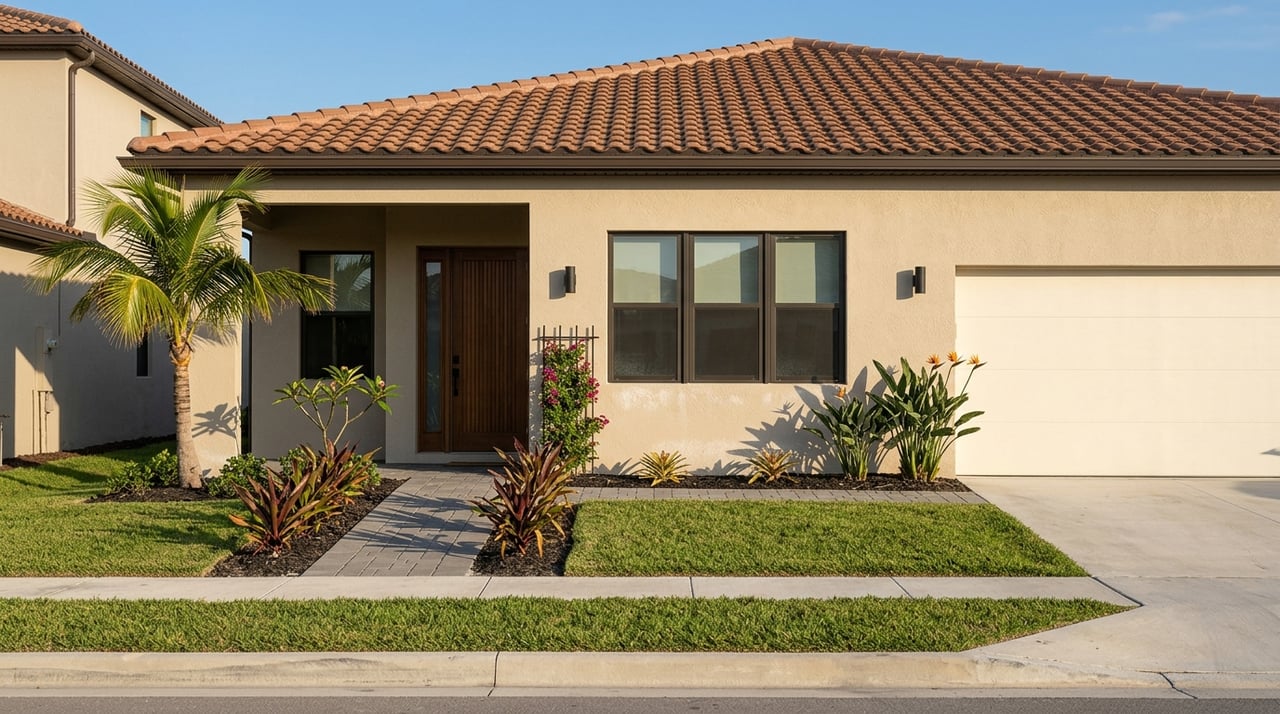
Ewa Beach Neighborhoods And Home Styles Explained
April 23, 2026
April 23, 2026
If you are trying to figure out where to focus your home search in Ewa Beach, one thing becomes clear fast: not all parts of Ewa Beach feel the same. Some areas have older homes and more historic character, while others are part of newer master-planned communities with townhomes, single-family homes, and resort-style surroundings. Knowing those differences can help you narrow your options and shop with more confidence. Let’s dive in.
Ewa Beach is a compact community, but its housing choices cover a wide range. According to the U.S. Census QuickFacts for Ewa Beach, the area had 16,415 residents in 2020, a 72.9% owner-occupancy rate, and a median owner-occupied home value of $748,800.
That data helps explain why many buyers see Ewa Beach as a more residential, owner-focused market. The same Census data also shows a mean travel time to work of 38.0 minutes, compared with 26.7 minutes across Honolulu County, so commute planning often plays a big role in your decision.
The City and County of Honolulu’s Ewa Development Plan describes the area as a network of residential communities designed around walking, biking, transit, and mixed-use growth. In real life, that means your experience can change a lot depending on which part of Ewa Beach you choose.
If you want the oldest part of Ewa Beach, start with Ewa Villages and the historic core. The city’s development plan says this area is meant to protect its rural feel, historic identity, and traditional grid street pattern.
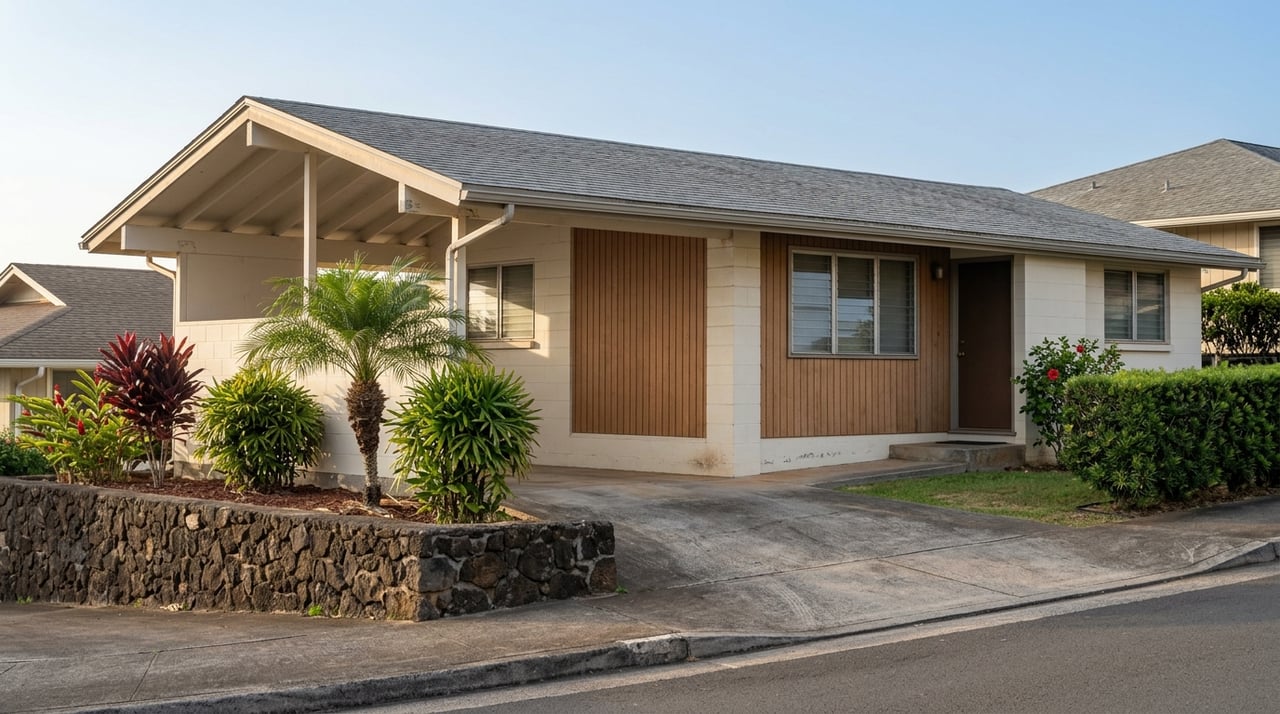
This is the part of Ewa Beach most likely to feel character-driven and less uniform than newer communities. You may see older homes, established streets, and properties that appeal to buyers who are open to updates or want something with a different look from a newer subdivision.
The same city plan notes that the villages have been on the Hawai‘i Register of Historic Places since 1996. It also points to ongoing revitalization efforts, including Varona Village, which shows that this part of Ewa Beach is still evolving rather than standing still.
Buyers often look here when they want:
If you are looking for a newer suburban feel, Ewa by Gentry is one of the main areas buyers compare. Gentry Hawaii says construction began in 1987 and describes Ewa by Gentry as a collective master-planned community.
This part of Ewa Beach tends to attract buyers who want a more consistent neighborhood style. Newer offerings highlighted by Gentry include features like open layouts, loft space, and energy-conscious design details.
For example, Gentry notes that Kaʻulu includes both single-family homes and townhomes, along with features such as central air, insulation, low-E windows, LED lighting, and Energy Star-type design. If your wish list includes newer construction and a more standardized layout, this is one of the first places to study.
You may find:
Ocean Pointe is another major name buyers hear when shopping in Ewa Beach. According to the Ocean Pointe Residential Community Association, the first homeowners arrived in 1998, the neighborhood includes more than 2,500 families, and the community has more than 50 model homes.
Ocean Pointe has a broad housing mix, including single-story and two-story single-family homes as well as townhomes. Some homes also front the Hoakalei golf course, which gives parts of the area a different setting than inland sections of Ewa Beach.
The association describes Ocean Pointe as intentionally walkable and landscaped in a traditional neighborhood style. For you as a buyer, that often translates to a more cohesive master-planned feel than the historic village areas.
Many buyers compare Ocean Pointe for its:
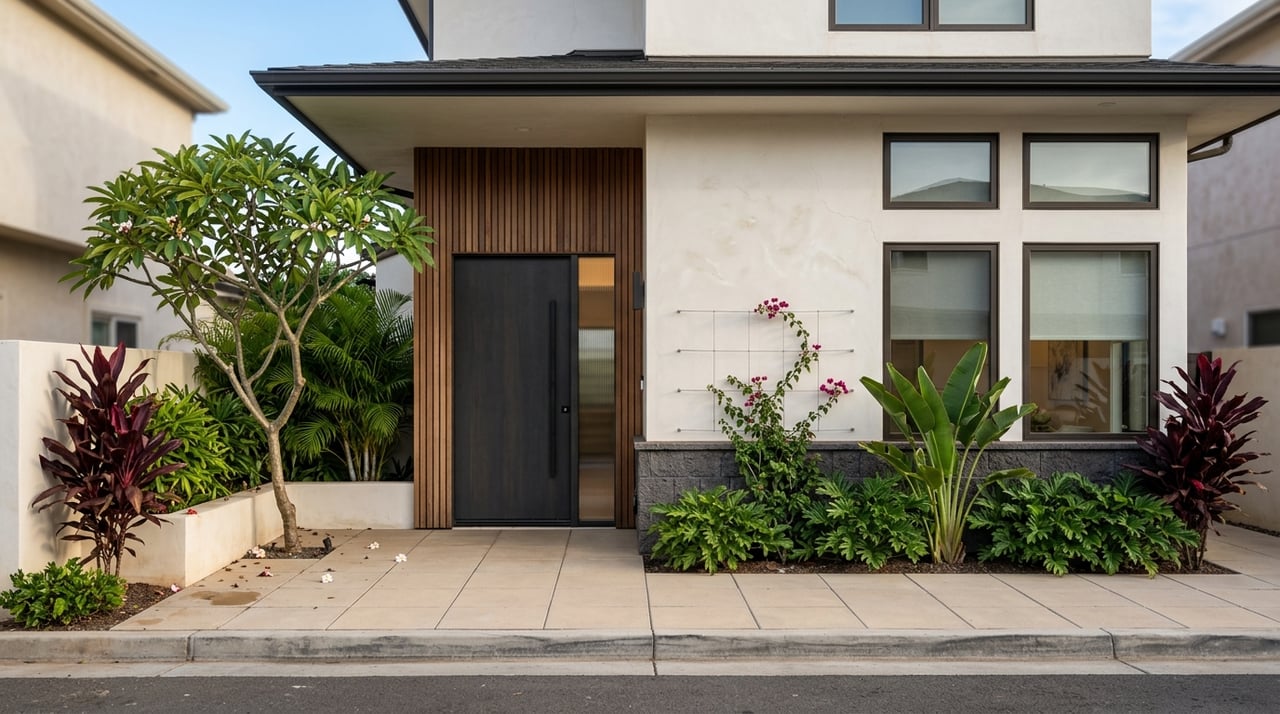
If you want a more resort-like setting, Hoakalei stands out. Hoakalei Resort describes the community as a 726-acre resort community with four residential neighborhoods, island-inspired home styles, and amenities connected to the Hoakalei Country Club golf course and Wai Kai waterfront area.
This is one of the clearest examples of how Ewa Beach can shift from suburban to more lifestyle-driven. Hoakalei also includes the gated neighborhood Kipuka, where the community highlights single-family condo-style homes in Garden and Golf Series layouts.
Wai Kai is centered on a 52-acre lagoon, which adds another distinctive feature to this side of Ewa Beach. If you are comparing neighborhoods based on setting, amenities, or proximity to golf and waterfront features, this area usually stays high on the list.
This area may appeal to buyers looking for:
One of the biggest takeaways for buyers is that Ewa Beach is not a one-style market. The Ewa Development Plan specifically describes a mix that includes affordable units, starter homes, larger single-family homes, and multi-family options.
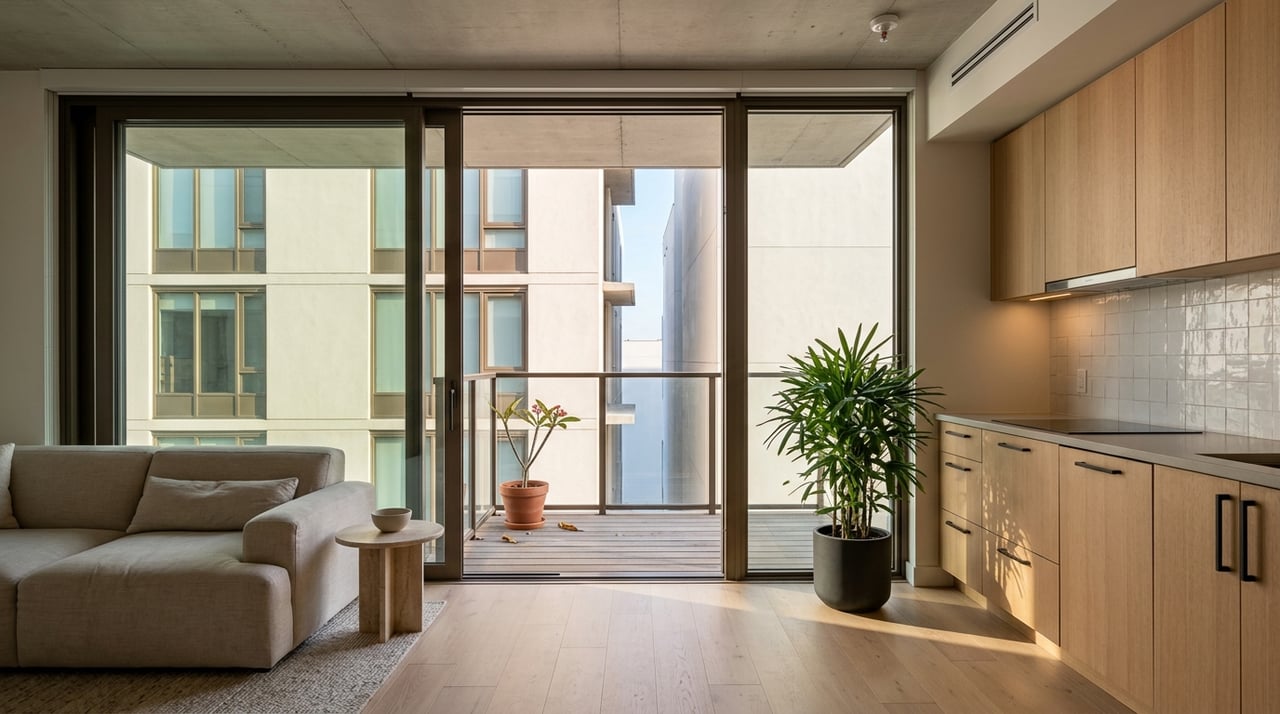
That means your home search may include everything from older village properties to newer detached homes, townhomes, and golf-course or lagoon-adjacent residences. In practical terms, the right fit often comes down to whether you value character, newer finishes, lower-maintenance living, or a more amenity-focused setting.
| Area | General Feel | Common Home Types | What Stands Out |
|---|---|---|---|
| Ewa Villages / older Ewa Beach | Historic and character-driven | Older homes, infill housing | Historic core, established layout |
| Ewa by Gentry | Newer suburban | Single-family homes, townhomes | Open layouts, energy-conscious features |
| Ocean Pointe | Master-planned and cohesive | One- and two-story homes, townhomes | Walkable design, broad housing mix |
| Hoakalei | Resort-style and lifestyle-focused | Single-family homes, condo-style homes | Golf course, gated options, Wai Kai lagoon area |
Home style matters, but so does daily routine. Census data shows Ewa Beach residents have a mean commute of 38.0 minutes, which is longer than the countywide average of 26.7 minutes.
At the same time, Honolulu Rail Transit’s route map shows Skyline currently operates from East Kapolei to Middle Street, with west-side stations including East Kapolei, UH-West O‘ahu, Hoʻopili, and West Loch. For many buyers, that means Ewa Beach can offer access to nearby rail stations, but it still functions more like a west-side commute market than a rail-first urban neighborhood.
If commute time is a major factor for you, it helps to compare neighborhoods not just by home style, but also by how they fit your regular driving patterns and transit plans. That practical step can save you time and stress after move-in.
Yes, it is. The research points to continued infill, redevelopment, and housing activity in the broader area.
The city’s planning documents and housing information reference efforts such as Varona Village revitalization and work connected to West Loch, which shows that Ewa Beach is still adding and reshaping housing over time. If you are shopping here, it is smart to think about both what a neighborhood feels like today and how it may continue to develop.
Compared with Honolulu County overall, Ewa Beach shows a different profile. The Census QuickFacts data shows a lower median owner-occupied home value than the county, a higher owner-occupancy rate, and a longer average commute.
For you, that often means Ewa Beach may feel more suburban and more centered on owner-occupied residential living than some other parts of the county. That does not make one area better than another, but it does help explain why buyers often cross-shop Ewa Beach for space, neighborhood variety, and a different day-to-day rhythm.
If you are deciding where to start, these questions can help:
The good news is that Ewa Beach gives you several distinct options in one market. When you understand how each area differs, it becomes much easier to focus on the neighborhoods and home styles that match your goals.
If you want help comparing Ewa Beach neighborhoods and finding the right fit for your move, connect with June Freundschuh for local guidance tailored to your needs.
Stay up to date on the latest real estate trends.
We pride ourselves in providing personalized solutions that bring our clients closer to their dream properties and enhance their long-term wealth.